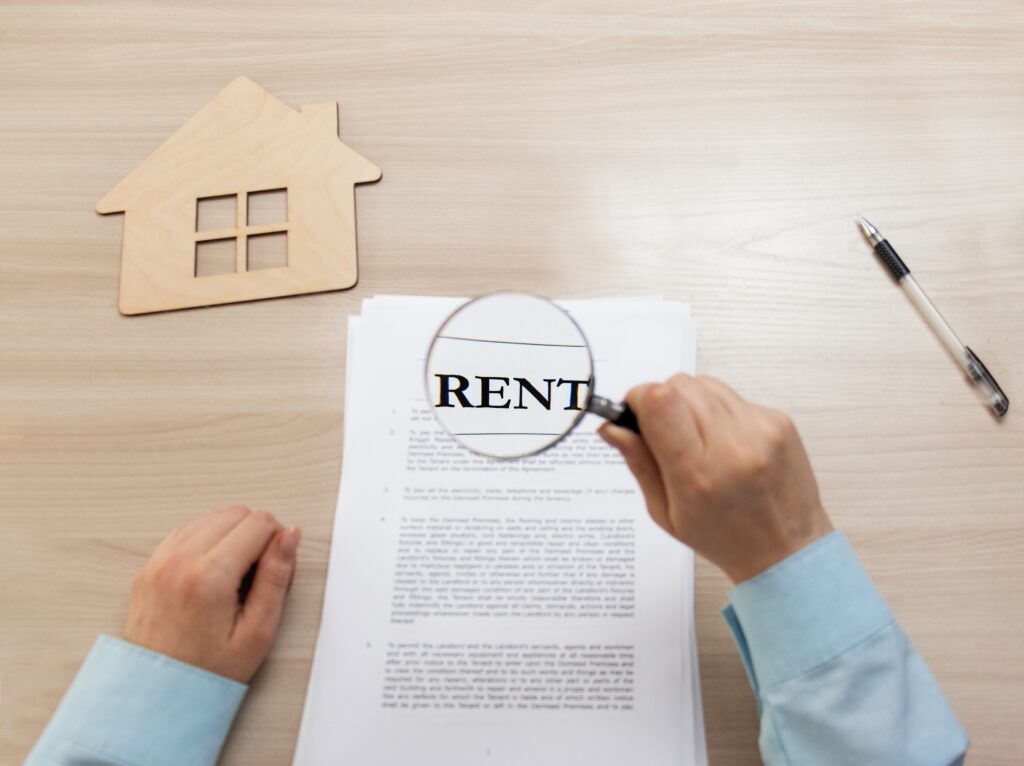
Let’s be honest—self-managing a rental property sounds great at the beginning. You stay in control, save money on fees, and handle things your own way. For a while, it works. Especially if you only have one unit and a relatively smooth tenant.
But fast forward a few months (or years), and the reality starts to look very different. Late-night calls. Maintenance coordination. Payment follow-ups. Tenant concerns. Scheduling conflicts. It adds up quickly.
That’s why in 2026, more landlords are stepping back and rethinking how they approach property management. Not because they can’t do it—but because doing everything themselves is starting to cost more than they expected. Let’s talk about what’s really behind this shift.
The Myth of “Saving Money”
One of the biggest reasons landlords choose to self-manage is simple: cost savings. At first glance, it feels like you’re keeping more of your income by avoiding management fees. But what often gets overlooked is the hidden cost of your time, energy, and missed opportunities.
Think about everything you’re handling on your own:
- Tenant communication
- Rent collection
- Maintenance coordination
- Vendor management
- Legal compliance
- Vacancy marketing
It’s not just a side task—it’s an ongoing responsibility. And over time, the value of landlord time savings becomes hard to ignore. Because time isn’t just time—it’s what you’re giving up to keep things running.
Burnout Is Becoming a Real Issue
This is the part that doesn’t get talked about enough. Self-managing rentals can be exhausting.
It’s not just the workload—it’s the unpredictability. You never really know when something is going to come up.
- A maintenance issue on a weekend
- A tenant concern late at night
- A payment delay that needs follow-up
- An unexpected vacancy
Even if these things don’t happen every day, they’re always in the back of your mind. That constant pressure is what leads to burnout. And in 2026, more landlords are recognizing that it’s not sustainable long-term.
Rental Management Has Become More Complex
Managing a property today isn’t what it used to be. Tenants expect faster responses. Regulations are stricter. Markets are more competitive. What used to be a relatively simple process now requires more structure, more attention, and more consistency.
Effective rental management now includes:
- Clear communication systems
- Fast response times
- Organized maintenance processes
- Knowledge of local regulations
- Consistent tenant experience
Trying to manage all of this alone can quickly become overwhelming.
The Shift Toward Smarter Ownership
Here’s where things start to change. Instead of asking, “Can I manage this myself?”, more landlords are asking:
“Is this the best use of my time?” That shift is redefining how people approach property ownership. The goal is no longer just to own rental property—it’s to make it work efficiently without taking over your life. And that’s where outside support starts to make more sense.
What Landlords Actually Want in 2026
The priorities have changed. Today’s landlords are looking for:
- Predictable income
- Less day-to-day involvement
- Fewer interruptions
- More time flexibility
- Scalable systems
In other words, they want the benefits of owning property without being tied to every small detail. That’s exactly why more investors are turning toward professional property management.
It’s Not About Losing Control
One of the biggest concerns landlords have is losing control. But in reality, the opposite often happens. With the right systems in place, you gain:
- Better visibility into performance
- More structured processes
- Clear reporting
- Consistent operations
You’re still making the big decisions—you’re just not handling every small task personally.
The Role of Full-Service Support
This is where things really start to feel different. Instead of juggling multiple responsibilities, everything is handled through a coordinated system.
That’s the advantage of full-service property management.
It typically includes:
- Tenant placement and screening
- Rent collection and tracking
- Maintenance coordination
- Communication with tenants
- Compliance and documentation
Instead of reacting to problems, you have a system that prevents them from becoming bigger issues.

The Real Benefits of Letting Go
Let’s break down what landlords actually gain when they move away from self-management.
More Time (and Less Stress)
This is the biggest one. When you’re not handling daily operations, your time opens up. And with that comes less stress and more flexibility.
More Consistency
Professional systems create consistency.
- Payments are handled on time
- Maintenance is addressed quickly
- Communication stays organized
That consistency leads to better overall performance.
Better Tenant Experience
Tenants benefit too. When communication is clear and issues are handled efficiently, satisfaction improves—and that often leads to longer tenancies.
Easier Growth
If you’re thinking about expanding your portfolio, self-management can become a bottleneck.
With the right support, growth becomes much more manageable.
Signs You Might Be Reaching Burnout
Not sure if this applies to you? Here are a few signs that self-managing might be taking more out of you than expected:
- You’re constantly thinking about your property, even off-hours
- Small issues feel more stressful than they should
- You’re spending more time managing than planning
- You feel stuck instead of growing
- You’re hesitant to add more properties because of the workload
If any of these sound familiar, it might be time to reconsider your approach.
What Making the Switch Looks Like
Transitioning doesn’t have to be complicated. It usually starts with:
- Evaluating your current workload
- Identifying what’s taking the most time
- Deciding what you’re ready to delegate
From there, the goal isn’t to step away completely—it’s to step into a more efficient role. You stay informed, make key decisions, and let the system handle the rest.
Why This Trend Is Growing Fast
The shift away from self-management isn’t random—it’s a response to how the industry has evolved.
Landlords are realizing that:
- Time is limited
- Efficiency matters
- Systems outperform improvisation
- Support leads to better results
And as more people adopt this mindset, it’s becoming the new standard.
The Value of the Right Partner
Of course, this only works if you have the right team in place. A strong partner—like Vault Property Management—does more than handle tasks. They create structure, reduce stress, and help your investment perform at its best. That kind of support changes the entire experience of owning rental property.
Final Thoughts
Self-managing rentals might still work for some people—but for many, it’s no longer the most efficient or sustainable option. The demands are higher, the expectations are greater, and the time commitment is harder to justify. Stepping back doesn’t mean giving up control—it means choosing a smarter way to manage your investment.
And in 2026, that shift is helping more landlords move from overwhelmed… to in control.