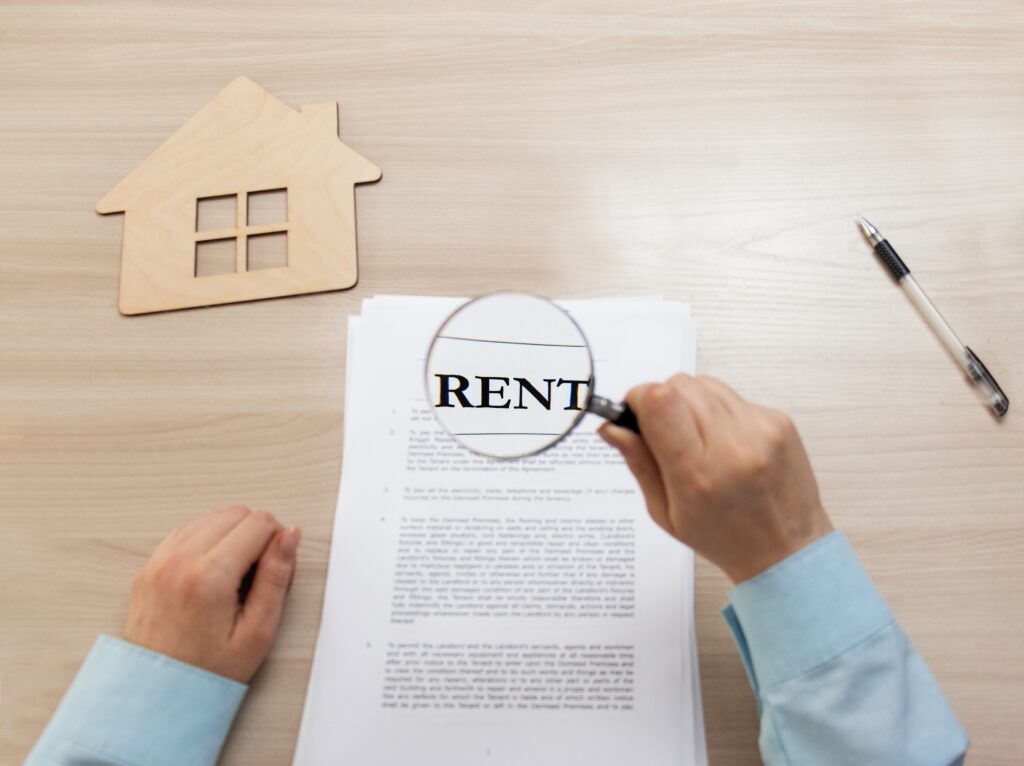
Let’s be honest: most landlords don’t like doing paperwork. Finding tenants, taking care of repairs, and making sure everything runs smoothly can make the lease feel like something you just have to “get done” and move on. But in 2026, the truth is that your rental agreement is not just a formality; it’s one of the best ways to protect your property, your income, and your time. But many landlords still miss important details that will cost them later.
Let’s talk about what people often forget, why it matters more now than ever, and how to handle lease agreements in a smarter and more useful way.
Why Rental Agreements Are More Important Now
The rental markets have changed. There are more disputes now than there used to be, and tenants have higher expectations and stricter rules. A simple or old lease just doesn’t work anymore. Your agreement should clearly spell out what is expected of both you and the tenant, as well as what the limits are.
It helps when done right:
- Avoid misunderstandings
- Less arguments
- Keep your property safe
- Help operations run smoothly
- Make sure everything is in line with the law
If you don’t do it right, it can be confusing, and that’s where problems start.
The Worst Thing You Can Do Is Treat It Like a Template
One of the most common problems is using generic lease templates without making changes to fit your property or the laws in your area. Templates can be helpful, but they often leave out important information that is important in real life.
This is where lease services can help. Landlords are better off with agreements that are based on real-life situations they might face, rather than a generic document that fits everyone. Let’s be honest: no two properties (or tenants) are exactly the same.
Areas That Are Often Ignored but Cause the Most Trouble
Even landlords who have been in the business for a long time sometimes miss things that can cause problems later. Let’s look at some of the most common ones.
1. Policies that are unclear or not there
A lease should clearly spell out the rules for:
Who is responsible for maintenance
- Rules for guests
- Expectations for noise
- Rules for pets payment terms
When these areas aren’t clear, it’s hard to enforce them. That’s where the enforcement of tenant policies starts to fall apart. It’s much harder to deal with problems when they come up if something isn’t clearly written down.
2. Weak structure for compliance
One big problem is that lease terms don’t match up with current rules. Laws change, so what was okay a few years ago might not be okay now. You could be putting yourself at risk if your agreement isn’t up to date.
Strong property management compliance makes sure that your lease is up to date and protects both you and the landlord.
3. No Way to Keep an Eye on Things
The lease is only the first step.
Many landlords don’t have a way to check if the terms of the lease are being followed during the whole time the tenant is living there.
This is when managing lease compliance becomes important.
It’s about:
- Keeping an eye on how well people follow the lease terms
- Taking care of problems early
- Keeping things the same for all tenants
Even a well-written lease can stop working over time if this isn’t done.
4. Not taking legal exposure seriously
Some landlords think they’re safe as long as they have a signed contract. But the agreement has to be well-written and follow local laws for it to be legally binding.
It’s very important to know the basics of what a landlord is legally responsible for. This means knowing:
What you can and can’t make happen
How to settle disagreements the right way
What rights do renters have?
What papers do I need?
If you skip this step, you could make mistakes that cost a lot of money.
Why These Problems Are More Important in 2026
Why does all of this matter more now? Because there is less room for mistakes.
In today’s rental market, there are
- More tenants know about their rights
- Rules that are more specific
- More professional expectations
- More likely to have arguments
A weak or out-of-date lease doesn’t just make things hard; it can also have real legal and financial effects. That’s why landlords are starting to do more to help.
What a Good Rental Agreement Should Have
A good agreement covers more than just the basics. It should be clear, detailed, and able to deal with real-life situations, not just perfect ones.
Expectations that are clear from the start. Both sides need to know exactly what is expected of them.
This includes:
- Payment plans and fees for being late
- Responsibilities for maintenance
- Rules for using property
- Rules for how to talk to each other
Being clear from the start stops things from getting confusing later.
Set rules for how to handle common situations. Your lease should cover situations like these:
- Requests for repairs and upkeep
- Renewing leases
- Ending early
- Breaking the rules
Putting these steps down in writing makes it easier to keep track of everything.
Following the rules as they are now. You have to follow the rules.
To avoid unnecessary risk, your agreement should follow the law and standards that are in place right now.
Being able to adapt to real-life situations. Your lease should also take into account situations that may require reasonable changes, even though structure is important.
A balanced approach keeps your interests safe while also keeping good relationships with your tenants.
What Professional Support Can Do
A lot of landlords are starting to see that they don’t have to do all of this by themselves. Professionals can help make sure that:
- Agreements are set up the right way
- Meeting the law’s requirements
- Policies can be enforced
- Processes are always the same
This help not only lowers risk, but it also saves time and lowers stress.
Steps You Can Take to Make Your Lease Strategy Better
Here are some useful things you can do to make your approach stronger:
Look over your current agreement. Look carefully at your current lease.
Think about this:
Is everything clear?
Are there any holes or unclear spots?
Does it follow the rules that are in place now?
If not, it might be time to make some changes. Make it your own instead of copying it. Don’t just use generic templates. Make your agreement fit your specific property and situation.
Keep Up with the Rules
Get in the habit of keeping up with changes to local laws. Even small changes can change how your lease should be set up.
Be clear about what you expect. Tenants must understand the lease for it to be valid.
Before you sign, take the time to go over the important points and answer any questions.
Make a System for Following Up
Don’t just sign. Make a plan to make sure that everyone follows the rules all the time during the tenancy.
The Big Picture: It’s About Having Control and Being Clear
A strong lease gives you control at its core, but not in a strict or limiting way. Instead, it gives you control in a structured and predictable way.
It helps you:
- Make your limits clear
- Make things less unclear
- Deal with problems more quickly
- Keep things the same for all tenants
And that kind of clarity makes it easier to keep track of everything.
Why More Landlords Are Taking This Seriously
Landlords are becoming more strategic in 2026. They are starting to understand that success isn’t just about getting tenants; it’s also about making systems that help things stay stable over time. A well-written agreement is an important part of that system.
It’s more than just paperwork; it’s a base.
Last Thoughts
When things are going well, it’s easy to miss the little things. But in property management, those little things can make a big difference over time.
Strengthening your agreements now can save you a lot of stress later on. It makes things clearer, more consistent, and gives you a stronger position when problems come up.
In the end, it’s not about making things hard; it’s about making things clear. That clarity is what makes everything else work.